
AI Visibility • Mechanism
How to measure your AI Visibility Rate
Ask an engine the same question twice and the answers can differ. A fixed prompt set, scored run after run, turns that noise into a rate you can track.
How do you measure AI visibility in a way you can repeat?
Measure AI visibility as a rate. Fix a stable set of the questions your buyers actually ask, run each one several times on every engine and in every market you sell into, and score each answer as cited, mentioned or absent. The rate is the share of runs that cite or mention the brand.
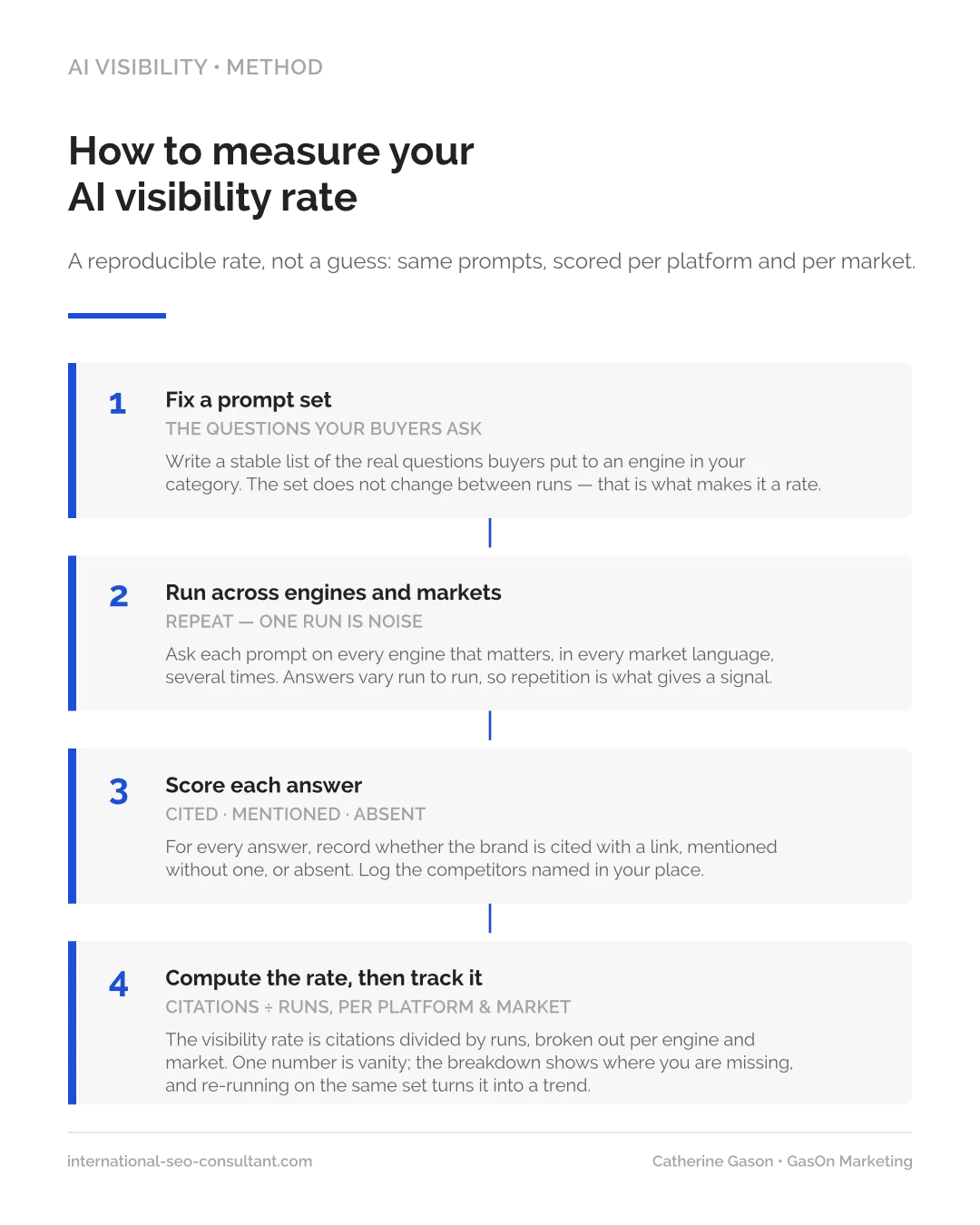
Fix a prompt set
The questions your buyers ask
Write a stable list of the real questions buyers put to an engine in your category. The set doesn’t change between runs, and that is what makes it a rate.
Run across engines and markets
Repeat: one run is noise
Ask each prompt on every engine that matters, in every market language, several times. Answers vary run to run, so repetition is what turns an observation into a signal.
Score each answer
Cited • mentioned • absent
For every answer, record whether the brand is cited with a link, mentioned without one or absent. Log the competitors named in your place.
Compute the rate, then track it
Appearances divided by runs, per platform and market
The visibility rate is appearances divided by runs, broken out per engine and market; citations are reported separately. A single total can look healthy while hiding gaps; the breakdown shows where you are missing, and re-running the same set turns it into a trend.
The mechanism, in detail
Why does AI visibility have to be measured as a rate, not a single check?
A single check is a snapshot, and answers change from one run to the next, so one check can’t tell you whether a citation is reliable or a one-off. A rate (appearances divided by repeated runs) evens out that variation and gives a number you can compare over time and against competitors.
What goes into the prompt set, and why must it stay fixed?
The prompt set is the real questions buyers put to an engine in your category, written once and held stable. It has to stay fixed: change the questions and the result can no longer be compared with the last run. It works like a price index, where the basket of goods stays the same so that a change in the index means prices moved, not the basket.
How should each answer be scored?
Score every answer on three states: cited with a link, mentioned without one or absent. Record which competitors are named in your place, since their presence is the other half of the signal. Keeping cited and mentioned separate matters because they mean different things. A link means the engine grounded that part of the answer on a page it can point to; a bare mention means the brand surfaced without a source attached. Both count as visibility; only one sends visitors to you.
Why break the rate out per platform and per market?
Because the gaps hide in the breakdown. A single blended number can look healthy while the brand is invisible in one engine or one language entirely. Engines draw on different sources, and AI training data holds less about non-English markets, so per-platform and per-market scoring shows exactly where citation is failing rather than averaging the failure away.
How often should the rate be re-run?
Re-run on a fixed cadence, monthly or quarterly, always against the same prompt set. The absolute number matters less than its direction: a rate climbing after content and entity work is evidence the work landed, while a flat or falling rate says the effort isn’t reaching the engines. Consistency of method is what makes the trend trustworthy.
Do I need a tool to measure this?
No. The method is the part that matters. Tools exist that automate the running and the scoring, and they save real time once the prompt set is large. No tool fixes a prompt set that changes between runs, or scoring that isn’t applied the same way each time. Whatever runs it, the rate is only comparable if the questions stay fixed.
More in AI Visibility
The other guides in this section, each answering its own question.
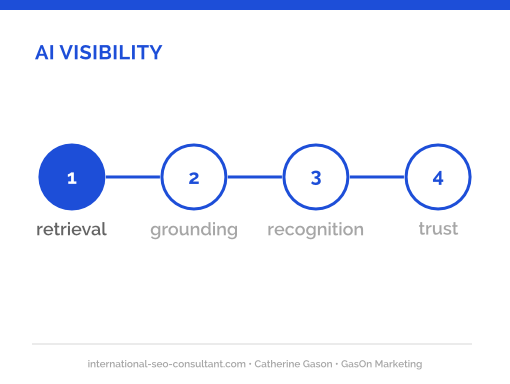
How AI engines choose which brands to cite
A brand clears four gates to be named, and ranking only clears the first.
Read AI Citations • Selection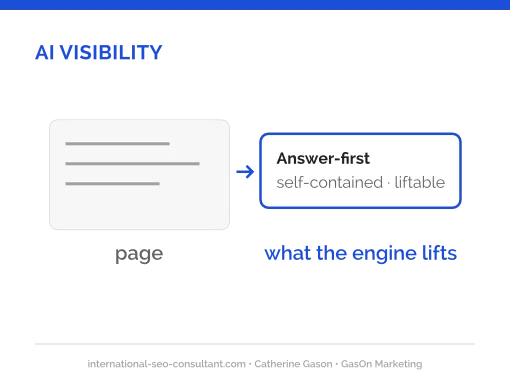
How to make your content extractable for AI
If an engine can’t lift a clean answer from your page, it cites one it can.
Read AI Extractability • Content